Physical Address
304 North Cardinal St.
Dorchester Center, MA 02124
Physical Address
304 North Cardinal St.
Dorchester Center, MA 02124

Evidence-based guide to testosterone boosting foods based on 2024-2025 scientific studies.
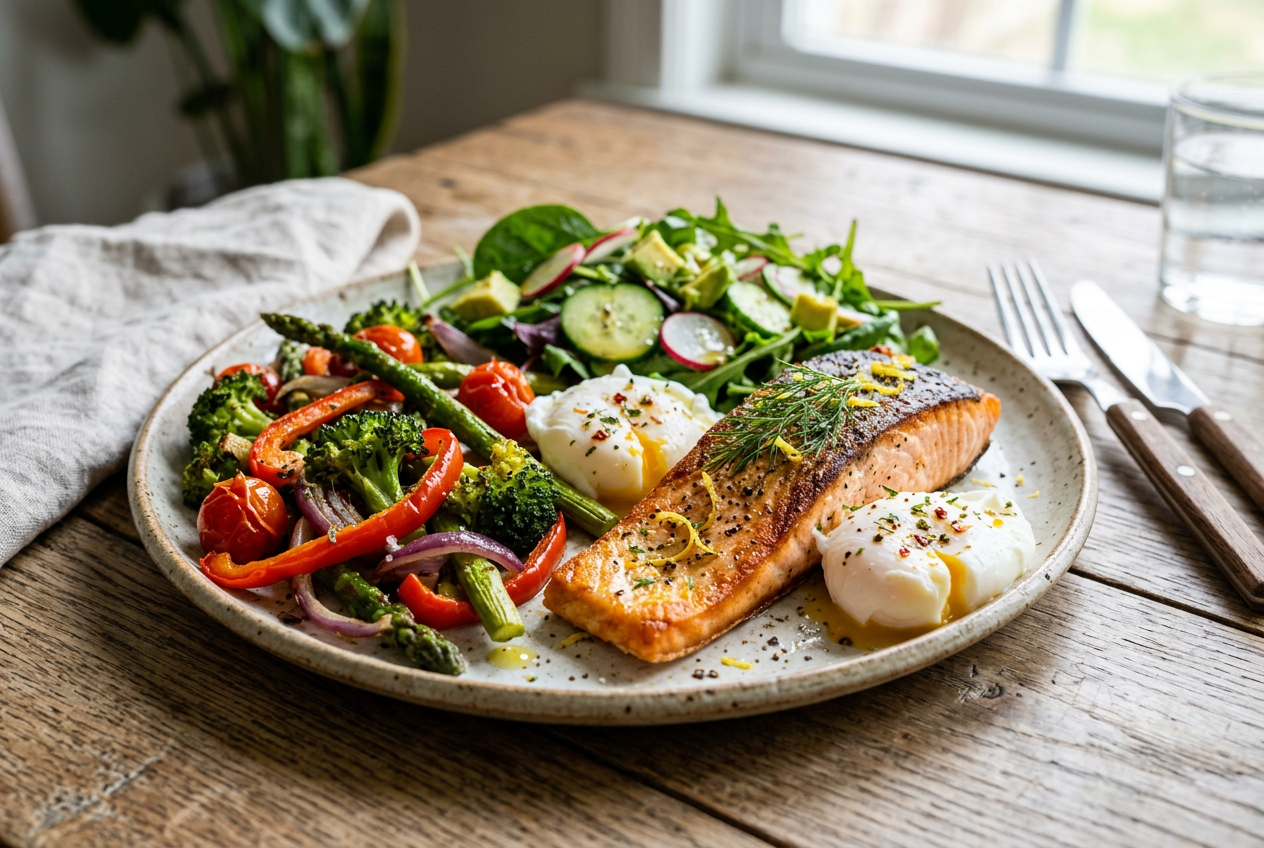
Diet plays a crucial role in testosterone levels and overall male health. This guide covers foods scientifically proven to support healthy testosterone based on the latest research from 2024-2025.
According to a 2024 Japanese study, higher consumption of fatty fish is associated with higher testosterone levels in older men. A 2025 review published in ScienceDirect found that compared to omnivorous diets, vegan diets may significantly increase testosterone concentration.
Research from PubMed shows that manipulating energy and nutrient intake directly affects circulating testosterone concentrations. This makes diet one of the most impactful lifestyle factors for male hormonal health.
As highlighted by MedicalNewsToday and Healthline (2025), fatty fish are rich in omega-3 fatty acids. A 2024 Japanese study confirmed that higher consumption of fatty fish is associated with higher testosterone levels in older men. Omega-3s also support heart health and reduce inflammation.
Oysters are one of the best dietary sources of zinc, essential for testosterone production. MedicalNewsToday lists oysters among the top foods that encourage the body to produce more testosterone. Zinc deficiency is directly linked to low testosterone.
Spinach, kale, and other leafy greens are rich in magnesium, which supports testosterone bioavailability according to Healthline and Verywell Health. Magnesium also helps with sleep quality and muscle function.
According to Vinmec (2024), eggs are an excellent source of protein and cholesterol—both essential for testosterone production since testosterone is synthesized from cholesterol. Eggs also contain vitamin D and B vitamins.
Lean beef, chicken, and turkey provide protein and zinc. Vinmec notes that lean meats are excellent choices for testosterone support. Choose grass-fed when possible for better nutrient profiles.
MedicalNewsToday reports that olive oil may encourage the body to produce more testosterone. It is also heart-healthy and supports overall wellness.
Healthline (2025) notes that cocoa products can help boost testosterone levels due to their flavonoid content. Dark chocolate in moderation can be beneficial.
Verywell Health mentions garlic as a food that can help boost testosterone naturally. Garlic contains allicin, which may reduce cortisol (a testosterone suppressor).
Antioxidant-rich pomegranate may support testosterone levels and reduce cortisol (which can suppress testosterone). It is also great for heart health.
Avocados provide healthy fats that support hormone production. They are also rich in magnesium and potassium.
Almonds, walnuts, pumpkin seeds, and sunflower seeds provide zinc and magnesium. They are also great snack options.
Many fortified cereals provide vitamin D, which is linked to testosterone levels. Choose low-sugar options.
Some studies suggest ginger may support testosterone production. Fresh ginger can be added to meals or tea.
Certain foods can negatively impact testosterone:
According to Nature (2025), there is an association between dietary live microbe intake and testosterone levels. Combine these foods with:
For additional testosterone support, consider these products:

Research confirms that diet significantly impacts testosterone levels. Focus on whole foods—particularly fatty fish, oysters, eggs, and leafy greens. Combine with healthy lifestyle habits for optimal results. Avoid processed foods, excess sugar, and alcohol.
Diet supports hormone production but dramatic increases are unlikely from food alone. However, studies show meaningful improvements are possible with consistent dietary changes.
No single food—variety is key. Focus on zinc-rich foods (oysters), omega-3s (fatty fish), and magnesium (leafy greens).
Yes, excess body fat can lower testosterone through aromatization (conversion to estrogen).
Some benefits may appear within weeks, but sustained changes over months yield the best results.